
Stay Safe Anywhere: The Ultimate Guide to Personal Alert Safety Systems
In a world where unpredictability lurks around every corner, personal safety is paramount. Whether you’re a busy professional, a student, or someone who loves outdoor adventures, the peace of mind provided by personal alert safety systems is invaluable. This comprehensive guide will illuminate the various options available, ensuring that you and your loved ones can confidently venture out, no matter the setting. So to Stay Safe Anywhere: The Ultimate Guide to Personal Alert Safety Systems.
From discreet alarm devices to innovative smartphone apps, we delve into the features that make these systems essential. Discover how simple yet effective tools can enhance your safety, empower you to take control, and allow you to stay connected with others, even in times of crisis. Join us as we explore the ultimate solutions for staying safe anywhere, because your security shouldn’t be an afterthought—it should be your top priority. Let’s unlock the key to confidence in every situation! Please keep reading.
Understanding the Importance of Personal Safety

In today’s fast-paced and often unpredictable world, the significance of personal safety cannot be overstated. Regardless of where you live, work, or play, ensuring your security is a fundamental aspect of a peaceful and productive life. The increasing incidents of crime and accidents have heightened the need for effective safety measures. Personal alert safety systems are designed to provide this security. Giving individuals the confidence to navigate their daily routines without constant fear. These systems act as a safeguard, ensuring that help is just a call or an alert away.
The concept of personal safety extends beyond mere physical protection. It encompasses emotional and psychological well-being, as knowing you have a reliable safety net can drastically reduce anxiety and stress. For vulnerable groups such as the elderly, children, and individuals with medical conditions, personal alert safety systems are a lifeline. They enable these individuals to live more independently while still having the assurance that assistance is readily available if needed. The peace of mind that comes from knowing one is protected is invaluable and is an essential aspect of leading a fulfilling life.
Furthermore, personal safety is not just about responding to emergencies but also about preventing them. Personal alert systems can deter potential threats and provide early warnings, which can be crucial in avoiding dangerous situations altogether. By incorporating these systems into our daily lives, we take proactive steps towards fostering a safer environment for ourselves and our loved ones. The importance of personal safety is thus a multidimensional concept that impacts various aspects of our lives, emphasizing the need for reliable and effective safety solutions.
3 Types of Personal Alert Safety Systems
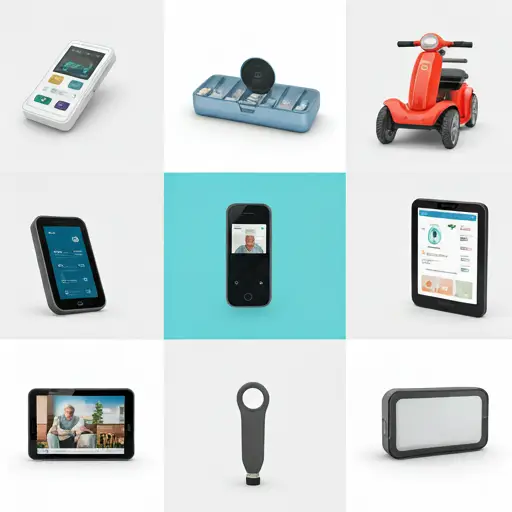
- Personal alert safety systems come in various forms, each tailored to meet different safety needs and preferences. One of the most common types is the wearable device, which can be in the form of a pendant, wristwatch, or belt clip. These devices are designed to be unobtrusive yet easily accessible, allowing users to send alerts in case of an emergency. Wearable devices often include features such as GPS tracking, fall detection, and two-way communication, making them particularly useful for the elderly and individuals with health conditions.
- Another popular type of personal alert system is the smartphone app. These apps leverage the ubiquitous nature of smartphones to provide a range of safety features. Users can send distress signals, share their location in real-time, and even record audio or video evidence of an ongoing situation. Many of these apps also include automatic alert features, such as inactivity detection or geofencing, which can notify designated contacts if the user enters or leaves a specific area. Smartphone-based systems are versatile and can be customized to suit individual needs, making them an attractive option for tech-savvy users.
- Standalone alert devices are also widely used. True in professional settings. These devices are typically carried by security personnel, social workers, or individuals working in high-risk environments. They are designed for quick activation. And often come with robust features such as long battery life, rugged construction, and integration with centralized monitoring systems. Standalone devices can be linked to company security protocols, ensuring that alerts are promptly addressed. Each type of personal alert safety system has unique advantages and understanding these can help individuals choose the most appropriate solution for their specific needs.
Key Features to Look for in a Personal Alert System
When selecting a personal alert system, it is crucial to consider the key features that will best meet your safety needs. One of the primary features to look for is ease of use. The device or app should have an intuitive interface that allows for quick and straightforward activation, even in stressful situations. A simple push of a button or a tap on a screen should be all it takes to send an alert. This is especially important for elderly users or those with limited technological proficiency.
Another critical feature is reliable communication capabilities. The system should offer real-time communication options, such as two-way voice communication or instant messaging, to ensure that the user can convey their situation accurately and receive immediate assistance. Devices with GPS tracking are highly recommended, as they provide precise location data, enabling responders to find the user quickly. Additionally, features like fall detection and automatic alerts can be lifesaving, particularly for individuals with medical conditions or those at risk of falls.
Battery life and durability are also essential considerations. A personal alert system should have a long-lasting battery to ensure that it remains operational when needed. For wearable devices and standalone units, the ability to withstand daily wear and tear, as well as adverse weather conditions, is crucial. Lastly, consider the system’s compatibility with other devices and services. Integration with smartphones, home security systems, and emergency response services can enhance the overall effectiveness of the personal alert system, providing a comprehensive safety net for the user.
How Personal Alert Systems Work
Personal alert systems operate on a simple yet effective principle: providing an immediate means of communication during an emergency. When activated, the system sends a signal to a predetermined list of responders, which can include family members, friends, or professional monitoring services. This signal can be in the form of a call, text message, or an alert through a dedicated app. The responders are then able to assess the situation and take appropriate action, whether it means sending emergency services to the user’s location or providing guidance on how to handle the situation.
Wearable devices typically use a combination of cellular networks and GPS technology to transmit alerts and location data. When the user presses the alert button, the device sends a signal via cellular networks to the monitoring center or designated contacts. The GPS component means that the user’s precise location is included in the alert. Allows for a swift response. Some advanced systems also include sensors that can detect falls or sudden movements. Automatically triggering an alert if an unusual event is detected.
Smartphone-based systems leverage the phone’s existing communication infrastructure, including cellular and Wi-Fi networks, to send alerts. These apps can use the phone’s GPS to track the user’s location and provide real-time updates to responders. In addition to manual activation, many apps offer automatic alert features such as geofencing, where an alert is sent if the user enters or leaves a specified area, or inactivity detection, which monitors the user’s movements and sends an alert if there is no activity for a certain period. By combining these technologies, personal alert systems ensure that help is always within reach, providing a critical layer of security in times of need.
Benefits of Using Personal Alert Safety Systems
The benefits of personal alert safety systems extend far beyond the immediate response to emergencies. One of the most significant advantages is the sense of security and peace of mind they provide. Knowing that help is readily available can reduce anxiety and stress, allowing individuals to go about their daily activities with confidence. This is particularly beneficial for vulnerable groups such as the elderly, individuals with medical conditions, and those living alone. The assurance that they can quickly summon help in case of an emergency fosters greater independence and improves the overall quality of life.
Another notable benefit is the potential for these systems to prevent emergencies. Many personal alert devices and apps come equipped with features such as fall detection, inactivity monitoring, and geofencing. These proactive measures can alert caregivers or emergency contacts to potential issues before they escalate, allowing for timely intervention. For example, a fall detection sensor can trigger an alert if the user takes a hard fall, enabling responders to act quickly and potentially prevent further injury. Similarly, geofencing can ensure that individuals who may wander due to conditions like dementia are quickly located and assisted.
Furthermore, personal alert safety systems can be an invaluable tool in professional settings. Employees working in high-risk environments, such as construction sites, healthcare facilities, or remote locations, can benefit from the added layer of security these systems provide. Employers can ensure the safety of their workforce by integrating personal alert systems into their safety protocols, thereby reducing the risk of workplace accidents and enhancing overall productivity. The ability to quickly respond to emergencies not only protects employees but also minimizes potential liabilities for the organization. Overall, the benefits of personal alert safety systems are multifaceted, offering a comprehensive solution for enhancing personal and professional safety.
Top Personal Alert Safety Systems on the Market
The market for personal alert safety systems is diverse, with numerous options catering to different needs and preferences. One of the leading products is the Medical Guardian, which offers a range of devices designed for both home and on-the-go use. Their systems include wearable pendants and wristbands with features such as GPS tracking, fall detection, and two-way communication. Medical Guardian is known for its reliable service and extensive coverage. Making it a popular choice among users seeking comprehensive protection.
Another top contender is the Life Alert system, which has become synonymous with personal emergency response services. Life Alert offers a variety of devices, including home-based systems with a base unit and portable devices for use outside the home. The company is renowned for its rapid response times. Robust monitoring services ensure that users receive prompt assistance during emergencies. Life Alert’s long-standing reputation and commitment to user safety make it a trusted option for many individuals, particularly the elderly.
For those who prefer smartphone-based solutions, the Noonlight app is a standout choice. Noonlight leverages the power of smartphones to provide a seamless and effective personal safety solution. The app allows users to send an alert with the press of a button, automatically dispatching emergency services to their location. Noonlight also integrates with various smart devices and other safety apps, creating a comprehensive safety network. With its user-friendly interface and innovative features, Noonlight is ideal for tech-savvy individuals seeking a versatile and reliable safety solution.
Choice Shonky Awards for Personal Alert Alarms
The 2023 Shonky Awards by CHOICE highlighted personal alarms as one of the “winners” for being unreliable and difficult to use.
CHOICE tested over 40 personal alarms and found that many failed to perform their key functions, such as activating during emergencies or providing accurate geofencing alerts. They also noted issues with setup complexity, charging difficulties, and privacy concerns. These shortcomings make it challenging for users, especially seniors, to rely on these devices for safetyHow to Choose the Right Personal Alert System for Your Needs
Selecting the right personal alert system requires careful consideration of your specific needs and circumstances. The first step is to assess the level of risk and the type of emergencies you are most likely to encounter. For example, individuals with medical conditions that increase the risk of falls may benefit from a system with advanced fall detection capabilities. Similarly, those who spend a lot of time outdoors or traveling might prioritize devices with robust GPS tracking and long battery life. Understanding your unique safety requirements will help narrow down the options and ensure you choose a system that provides the necessary protection.
Next, consider the ease of use and accessibility of the system. The device or app should be straightforward to operate, with clear instructions and an intuitive interface. This is particularly important for elderly users or those with limited technological proficiency. Look for systems that offer simple activation methods, such as a single button press, and ensure that the alert is easy to access in an emergency. Additionally, consider the size and design of wearable devices, as they should be comfortable to wear and unobtrusive in daily activities.
Finally, evaluate the reliability and reputation of the provider. Research customer reviews and ratings to gauge the effectiveness and responsiveness of the system. A reputable provider will offer reliable monitoring services, prompt customer support, and a proven track record of successfully handling emergencies. It’s also important to consider the cost of the system and any associated subscription fees. While it’s essential to stay within your budget, remember that the primary goal is to ensure your safety, so prioritize features and reliability over cost when making your decision. By taking these factors into account, you can choose a personal alert system that provides the best protection for your specific needs.
Tips for Effectively Using Personal Alert Safety Systems
- To maximize the effectiveness of your personal alert safety system, it’s important to use it correctly and consistently. Start by familiarizing yourself with the device or app’s features and functions. Take the time to read the user manual, watch instructional videos, or attend a training session if available. Understanding how to activate the alert, use the communication features, and interpret any notifications or alerts is crucial for responding quickly and effectively in an emergency. Regular practice and testing can help ensure you are comfortable and confident using the system when needed.
- Another tip is to ensure that the system is always within reach and ready to use. For wearable devices, make sure to wear them consistently, whether at home or on the go. Keep smartphone-based systems active. Make sure your phone is charged and within easy access at all times. Regularly check the battery life and functionality of the device or app and replace or recharge as needed. Some systems offer automatic testing features that can help ensure they are working correctly, so take advantage of these if available.
- Next, please nsider the ease of use and accessibility of the system. The device or app should be straightforward to operate, with clear instructions. Provide them with any necessary instructions and ensure they know what to do if they receive an alert. It’s also a good idea to periodically review and update your emergency contact list to ensure it includes the right people who can provide timely assistance.
By following these tips, you can enhance the effectiveness of your personal alert safety system. Preparedness is essential to handle any emergency situations that arise.
Enhancing Your Safety with Personal Alert Systems
Personal alert safety systems are invaluable tools that provide a crucial layer of security in our increasingly unpredictable world. Whether you are a busy professional, a student, or someone who loves outdoor adventures, these systems offer peace of mind and empower you to take control of your safety. By understanding the various types of personal alert systems available and their key features, you can make an informed decision. How they work, you can make an informed decision that best suits your needs. Especially important since fall injury and hospitalizations are still growing
Ultimate Guide to Alternative Safety Call Service
4 Reasons to Have an Alternative Service
While Medical alert devices can be life-saving tools, they aren’t a perfect solution for everyone. Here are some reasons why they might not provide complete peace of mind:
1. Non-Compliance:
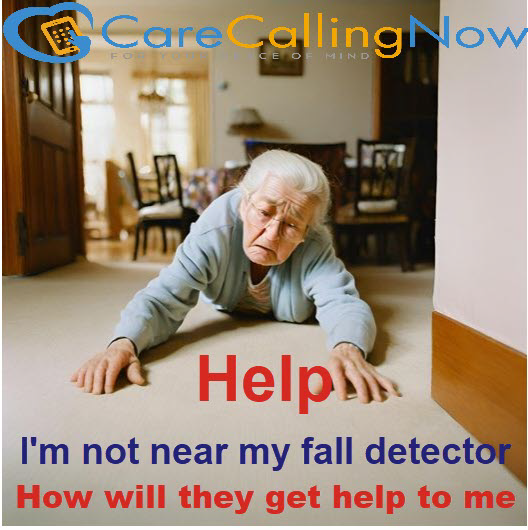
Studies show that a significant percentage of seniors (up to 80%) who own medical alert devices either don’t wear them consistently or fail to activate them during emergencies. This could be due to forgetfulness, discomfort, or a belief that they don’t need it.
2. Stigma:
Some seniors feel that wearing a medical alert device highlights their vulnerability, leading them to avoid using it.
3. Unconsciousness or Inability to Activate:
In cases of severe falls or medical emergencies, the individual might be unconscious or physically unable to press the alert button.
4. False Sense of Security: Family members might rely solely on the device, assuming it will always work, which could lead to neglecting other safety measures
To address these challenges, use of services like daily wellness check-in calls (e.g., CareCallingNow) can complement medical alert devices by providing daily reassurance safety check in and ensuring loved ones are safe. Combining technology with human interaction might be the key to achieving true peace of mind.

Benefits
The benefits of using personal alert safety systems are fantastic, from providing immediate assistance during emergencies to preventing potential risks through proactive measures. Leading products on the market, such as Medical Guardian, Life Alert, and Noonlight, offer reliable and comprehensive solutions for different safety needs. By choosing the right system and using it effectively, you can enhance your personal safety and that of your loved ones, ensuring that help is always within reach.
Ultimately, personal safety should be a top priority for everyone. Investing in a personal alert system is a proactive step towards safeguarding your well-being and fostering a sense of security in your daily life. Combined with the right tools and knowledge, you can confidently navigate any situation, knowing that you are protected and connected.
Stay safe anywhere, and let personal alert safety systems, such as those described above, combined with CareCallingNow, will be the key to your complete confidence and peace of mind.
Organize Your Daily Safety Call Right Today
Last chance to Checkout CareCallingNow
How to Stay Safe Anywhere: The Ultimate Guide to Personal Alert Safety Systems
Check out our videos and subscribe CareCalling – help I’ve Fallen and I Can’t Get UP
If you’re searching for how Stay Safe Anywhere: The Ultimate Guide to Personal Alert Safety Systems, then watch these videos to learn everything you need to know about Stay Safe Anywhere: The Ultimate Guide to Personal Alert Safety Systems
Stay Safe Anywhere: The Ultimate Guide to Personal Alert Safety Systems –
So if 80% of people wearing a medical alert don’t use it when they should, then you had better have a backup!!!
To Stay Safe Anywhere: The Ultimate Guide to Personal Alert Safety Systems, then read this article to learn everything you need to know about Stay Safe Anywhere: The Ultimate Guide to Personal Alert Safety Systems
It is essential to get an automated daily safety call check in service so you know your loved one is OKAY
This Safety Call will bring peace of mind to all loved ones